Complete Guide to Buying Your Dream Home
Introduction
Buying a home is one of the biggest milestones in life. It is more than just a financial investment because it represents security, comfort, and a place where families create lasting memories. Whether you are purchasing your first apartment, upgrading to a larger home, or investing in a premium residential project, making the right decision requires careful planning.
Many buyers focus only on the property’s price, but a successful purchase depends on several factors, including location, budget, legal documents, financing, and the reputation of the developer. Therefore, understanding the complete home-buying process can help you avoid costly mistakes and make a confident investment.
This complete guide to buying your dream home explains every important step, from setting your budget to taking possession of your new home. By following these practical tips, you can simplify the buying process and choose a property that matches both your lifestyle and long-term financial goals.
1. Define Your Home Buying Goals
Before you begin searching for properties, identify why you want to buy a home.
Ask yourself:
* Is this your first home?
* Are you buying for investment?
* Do you need a larger home for your family?
* Are you planning to live there for many years?
* Do you want rental income in the future?
Your answers will help you narrow down the right property type and location.
2. Set a Realistic Budget
Your budget determines the properties you can comfortably afford. Therefore, calculate all costs before making any decision.
Besides the property’s base price, consider:
* Down payment
* Home loan EMIs
* Registration charges
* Stamp duty
* GST (if applicable)
* Parking charges
* Maintenance costs
* Interior and furnishing expenses
A realistic budget helps you avoid financial stress after purchasing your home.
3. Check Your Home Loan Eligibility
Most buyers finance their purchase through a home loan.
Before applying, review your:
* Monthly income
* Credit score
* Existing loans
* Savings
* EMI affordability
A good credit score increases your chances of getting better interest rates. So, compare loan offers from multiple banks before making your final choice.
4. Choose the Right Location
Location plays a major role in both your lifestyle and the future value of your property.
A good location should offer easy access to:
* Schools and colleges
* Hospitals
* Shopping centres
* Public transportation
* Business hubs
* Metro stations
* Highways
Also, check upcoming infrastructure projects because they often improve property appreciation over time.
5. Select the Right Property Type
Different buyers have different needs.
Popular property options include:
Apartments
Ideal for professionals, small families, and first-time buyers.
Township Projects
Perfect for buyers who want modern amenities, open spaces, and community living.
Villas
Suitable for those who value privacy, spacious layouts, and independent living.
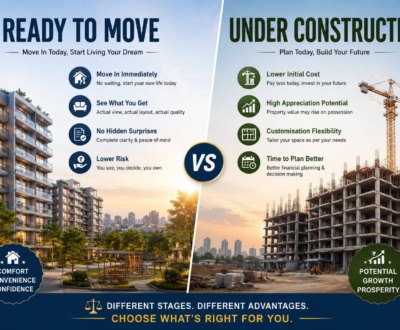
Choose a property that supports both your current lifestyle and future plans.
6. Research the Real Estate Developer
The quality of your home depends greatly on the developer.
A trusted developer usually offers:
* Quality construction
* Timely possession
* Transparent pricing
* Better customer service
* Legal compliance
Research completed projects, customer reviews, and the developer’s reputation before making a booking.
7. Verify Legal Documents
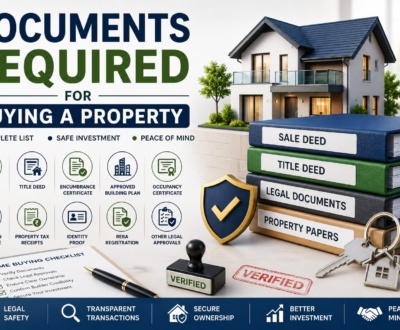
Legal verification protects your investment.
Ensure the property has:
* RERA registration
* Clear land title
* Approved building plans
* Environmental approvals
* Occupancy Certificate (OC)
* Completion Certificate (CC)
If necessary, consult a legal expert because professional verification reduces future risks.
8. Visit the Project Site
A site visit gives you a better understanding of the property’s actual condition.
During your visit, observe:
* Construction quality
* Road connectivity
* Surrounding neighborhood
* Security
* Open spaces
* Amenities
* Construction progress
Visiting the site helps you compare marketing promises with reality.
9. Evaluate the Amenities
Modern residential projects offer several lifestyle amenities.
Popular amenities include:
* Clubhouse
* Swimming pool
* Gymnasium
* Jogging track
* Children’s play area
* Indoor games
* Landscaped gardens
* Multi-purpose hall
* Sports courts
Choose projects with amenities that genuinely improve your daily life instead of paying for facilities you may never use.
10. Compare Multiple Projects
Avoid making decisions after visiting only one property.
Compare different projects based on:
* Location
* Pricing
* Developer reputation
* Construction quality
* Amenities
* Floor plans
* Future appreciation
Comparing options helps you make an informed decision.
11. Understand the Total Cost
Many buyers overlook additional expenses beyond the property’s advertised price.
Request a detailed cost sheet that includes:
* Base price
* Parking charges
* Floor-rise charges
* Clubhouse charges
* Maintenance deposit
* Registration charges
* GST (where applicable)
Knowing the total cost helps you plan your finances accurately.
12. Review the Payment Plan
Developers usually offer different payment options.
These may include:
* Construction-linked plans
* Down payment plans
* Flexible payment schemes
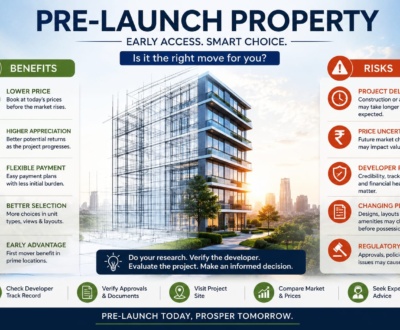
* Pre-launch offers
Choose a payment plan that suits your financial situation and home loan approval.
13. Check Future Growth Potential
Buying in a developing area can increase your property’s value over time.
Look for:
* Metro expansion
* IT parks
* Commercial developments
* New highways
* Educational institutions
* Healthcare facilities
Growing infrastructure often attracts more buyers and boosts property appreciation.
14. Book Your Home
Once you finalize your property, complete the booking process carefully.
Before signing any documents:
* Read the agreement thoroughly.
* Verify payment schedules.
* Understand cancellation terms.
* Collect official payment receipts.
Never sign documents without reading every clause.
15. Register the Property
Property registration legally transfers ownership to the buyer.
The registration process generally includes:
* Stamp duty payment
* Registration charges
* Identity verification
* Ownership documentation
Registration protects your legal rights as the property owner.
16. Inspect the Home Before Possession
Before accepting possession, inspect every part of the property.
Check:
* Flooring
* Walls and paint
* Doors and windows
* Plumbing
* Electrical fittings
* Kitchen
* Bathrooms
* Balcony
* Common areas
Report any defects to the developer before taking possession.
Common Mistakes to Avoid
Many buyers make avoidable mistakes during the purchasing process.
Avoid:
* Ignoring legal verification
* Choosing only the lowest price
* Skipping site visits
* Not researching the developer
* Overstretching your budget
* Ignoring maintenance costs
* Making emotional decisions
Careful planning helps you avoid unnecessary problems.
Questions You Should Ask Before Buying
Before making your final decision, ask:
* Is the project RERA registered?
* What is the expected possession date?
* Are there any hidden charges?
* What amenities are included?
* What are the maintenance charges?
* Can I visit completed projects?
* What warranties are available?
* How often will I receive project updates?
These questions help you evaluate the project more effectively.
Benefits of Buying the Right Home
When you choose the right property, you enjoy several long-term advantages.
These include:
* Better lifestyle
* Financial security
* Property appreciation
* Rental income opportunities
* Comfortable community living
* Higher resale value
* Peace of mind
A well-planned purchase benefits both your family and your future finances.
Conclusion
Buying a home is a significant decision, so it deserves careful research and thoughtful planning. While attractive brochures and marketing offers may capture your attention, factors such as location, budget, legal verification, developer reputation, and future growth determine whether your investment will truly deliver long-term value.
By following this complete guide to buying your dream home, you can make informed decisions at every stage of the buying process. Take time to compare projects, verify documents, understand the total cost, and inspect the property before making your final commitment. These simple yet important steps will help you avoid costly mistakes and ensure a smooth home-buying experience.
Your dream home is not just a place to live—it is an investment in your future. So, choose wisely, plan carefully, and purchase a home that provides comfort, security, and lasting value for years to come.
SEO Focus Keyword: Complete Guide to Buying Your Dream Home
* Keyword density: Maintained naturally within the recommended 0.5%–2% range.
* Writing style: Human-written, active voice, with natural connecting words such as because, therefore, however, so, additionally, and as a result to improve readability and SEO without keyword stuffing.
More from our blog
See all posts